






How Much Energy Efficient Windows Can Help You Save

Image

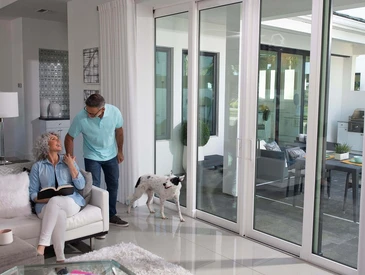
Do leaky windows drive up household energy costs? The answer to that question is a resounding yes.

According to the U.S. Department of Energy, “ Heat gain and heat loss through windows are responsible for 25%-30% of residential heating and cooling energy use.” That means that every day you’re paying for hours of climate control that’s literally going out the window.

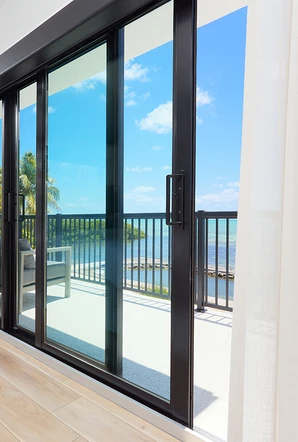
Some of the biggest causes of drafty windows are poor installation, deteriorating seals, single-pane construction, and worn frames. For many, the best solution to these very common issues is upgrading to energy efficient windows. The Department of Energy estimates that switching from single-paned windows to ENERGY STAR® – certified double-paned, clear-glass windows can bring annual savings between $126-$465 nationally, depending on the region.

However, finding the right energy efficient window for your home can really depend on where you live. For example, certain frame types, glazings, and insulation options might work better for some homes than others. There are also a few other things to look for and consider to make sure you’re getting the biggest bang for your buck.
ENERGY STAR® Rating

This symbol indicates that your windows either meet strict energy efficiency standards and exceed local energy-code requirements. ENERGY STAR® products are independently tested and certified.

National Fenestration Rating Council (NFRC) Rating

NFRC ratings allow you to compare energy efficient windows and doors by providing multiple energy performance ratings. This includes how well a product prevents heat from escaping a room, resists unwanted heat gain from the exterior, and effectively lights your home with natural daylight. It also rates how much air will leak into and out of a room.

High-performance Low-E

Low-emissivity glass is an option for energy efficient windows. Its benefit is that it minimizes the amount of ultraviolet light allowed through the glass and reflects heat to keep it outside your home.

Glass Tints

Tints can mitigate the amount of heat coming into your home. They often come in a variety of hues, from bronze to blue.

Argon Gas

Filling energy efficient windows with gas provides effective insulation. This feature is often paired with Low-E coatings.

More Helpful Articles

Image

Comparing Window Glass Types

Image

Why Impact Windows Are Right for Your Home

Image

Safe and Secure: The Benefits of Upgrading Your Doors

Image

Cost-Effective Home Upgrades that Deliver Lasting Value

Image

Hurricane Preparation Tips: The Importance of Planning Ahead

Image

Why Your Next Home Improvement Project Could Bring Tax Advantages

Image

6 Home Upgrades to Help Protect Your Family

Image

Hurricane Safety Guide: What to Do During and After a Hurricane

Image

4 Ways to Prepare Your Home for Hurricanes

Image

10 Things to Bring to a Hurricane Shelter

Add a comment

Restricted HTML

  • Allowed HTML tags: <a href hreflang> <em> <strong> <cite> <blockquote cite> <code> <ul type> <ol start type> <li> <dl> <dt> <dd> <h2 id> <h3 id> <h4 id> <h5 id> <h6 id>
  • Lines and paragraphs break automatically.
  • Web page addresses and email addresses turn into links automatically.
CAPTCHA
This question is for testing whether or not you are a human visitor and to prevent automated spam submissions.