













Single hung windows
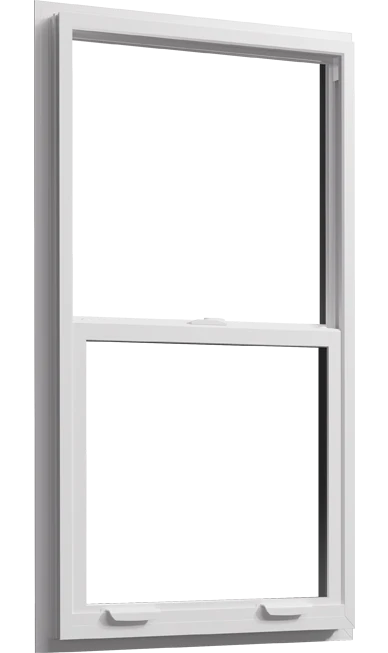
Single hung windows have one operational sash at the bottom that can be raised or lowered, making them very easy to use.
Image
BENEFITS OF SINGLE HUNG WINDOWS
The parts of a single hung window include a stationary upper sash and a bottom sash that opens vertically. Their many benefits include natural light, enhanced curb appeal, and versatility.
Single hung windows maximize natural light, brightening your home while creating a more spacious feel. Plus, single hung windows open without protruding outward, making them the perfect choice for rooms that open onto porches, patios, and walkways.
With single hung windows, more light doesn’t mean less energy efficiency. With tint and lamination options, homeowners can enjoy reduced energy bills and a comfortable indoor environment year-round.
Browse single hung windows
Perfect for replacements or new installations, our windows are designed to fit your specific needs and preferences. Shop our collection of durable, efficient single hung vinyl windows.


Top features of single hung windows
Selecting the perfect single hung window requires careful consideration of several key factors to ensure the best fit for your home’s style, functionality, and budget. Be sure to prioritize energy efficiency by looking for insulated glass and high-quality seals. Additionally, choosing durable, easy-to-maintain materials such as vinyl or aluminum frames can provide long-lasting performance and value. Explore below to find the ideal solution for your new construction or renovation project.
Image

DESIGN STYLES
Discover how to choose window designs that boost your home’s curb appeal. Consider frame colors and finishes that match your home’s exterior and interior style.
Image

Energy-Efficient Single Hung Windows
Learn why properly sealed and insulated single hung windows are key and how to look for windows with energy-efficient features to help lower heating and cooling costs.
Image

Browse by Option
Quickly find single hung windows that meet your needs. Search based on material, color, price, and more, then dig deeper into customizations to create your perfect match.
More to explore


Single hung window FAQS
What does single hung window mean?
A single hung window features a top sash that is fixed and a bottom sash that moves vertically. This design is celebrated for its simplicity and efficiency, providing a cost-effective solution for those looking to enhance their home’s natural light and ventilation without the complexity and cost of more elaborate window styles.
What’s the difference between single hung and double hung windows?
Single hung windows have a movable bottom sash and a fixed top sash, offering a straightforward, efficient design for ventilation and light. Double hung windows allow both the top and bottom sashes to move, providing enhanced ventilation options, easier cleaning from the inside, and a slightly higher price point due to their added complexity. The choice between them often depends on your ventilation needs, cleaning preferences, and budget.
Which is better, single hung or double hung windows?
The choice between single and double hung windows depends on your priorities. Single hung windows are often more energy-efficient and budget-friendly, making them a great option for those looking to improve their home’s thermal performance and reduce costs. Double hung windows provide greater ventilation and cleaning convenience, appealing to those prioritizing functionality and ease of use.
How do I adjust single hung windows?
Adjusting single hung windows typically involves checking the balance system that allows the sash to move smoothly and stay open. This might include cleaning the tracks, lubricating moving parts, or occasionally adjusting or replacing the spring balances. Proper maintenance ensures smooth operation and extends the life of your windows.
How much do single hung windows cost?
The cost of single hung windows varies widely based on size, material, and additional features like energy-efficient glass or custom finishes. Generally, they’re a more economical option compared to double hung windows due to their more straightforward design. Prices can range from modest for basic models to higher for premium options with advanced features. It's important to get a comprehensive quote for an accurate cost assessment and consider the product’s warranty for long-term peace of mind.