














Awning windows
Catch a breeze while keeping out the elements with awning windows. Versatile and practical, awning style windows work well in small spaces that require ventilation or privacy.
Image
WHEN TO CHOOSE AWNING WINDOWS
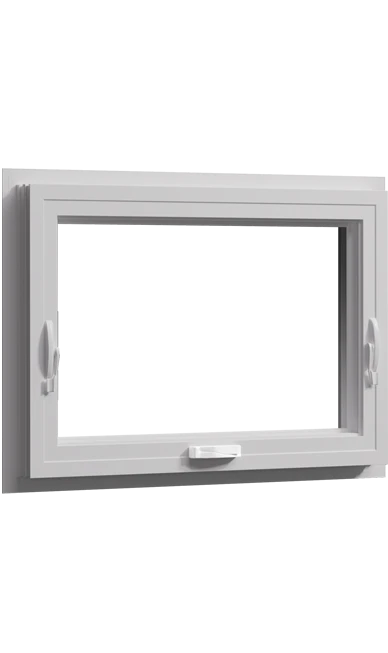
Awning windows have a hinged top sash and open outward from the bottom, creating a barrier against the elements. There is a wide variety of awning window sizes that are often wider than they are tall, giving this style unique benefits.
Awning windows provide excellent ventilation and light while holding up against wind and rain. They’re a popular choice in rooms that require airflow but may not have enough space for large windows, like laundry rooms, mud rooms, basements, and bathrooms.
Awning windows can be placed higher on walls than most openable windows. Place them over furniture or benches, use them in rooms where you want more privacy, combine them with other window styles, or stack them on top of each other.
It isn’t just their small size that makes awning windows so versatile. They come in a variety of colors, window grids, glass options, and frames, so you can match your home’s style and your own preferences.
Find your perfect awning windows
Browse our selection of durable and stylish awning windows for sale and learn more about options like energy-efficient coatings, tints, grid designs, and privacy glass.
Image

Image

Image
Image


Choosing the right awning windows
First, determine whether you need new construction or replacement awning windows, as they are built differently. Then, your most important considerations are your awning window’s size, material, and style. Consider where you’re placing the window, your area’s weather conditions, and the architectural style of your home. Vinyl awning windows can meet nearly any requirement, offering excellent thermal insulation, durability, and a variety of customizations.
Image

Design Styles
Awning windows come in various design styles, allowing you to match them with your home’s aesthetic. Whether you prefer a modern or traditional look, there’s an awning window for you.
Image

Energy-Efficient Windows
Selecting energy-efficient awning windows can significantly lower your energy bills. Learn why vinyl awning windows are one of the best materials for energy efficiency.
Image

Browse by Option
Find information on all of our awning windows and filter by color, product series, and more to quickly find the option that best fits your needs and preferences.
More to explore


Learn more about awning windows
What does the term awning window mean?
An awning window is a type of window that is hinged at the top, allowing it to open outward from the bottom. This design offers ventilation, wind resistance, and protection from rain and snow, making it ideal for various weather conditions. Its unique operation and versatility make it suitable for many areas in a home, enhancing airflow while maintaining privacy.
What are the most common awning window sizes?
Awning window sizes vary, but this style is generally on the small side and is wider than it is tall. The most common sizes range from 2 to 3.5 feet wide and 1.5 feet to 3 feet tall. These dimensions mean awning windows fit in a wide variety of spaces and can be stacked on top of each other, offering a flexibility other window styles can’t.
Where should I use awning windows in my house?
Awning windows are best used in areas that require ventilation and light without compromising privacy. They are ideal for bathrooms, kitchens, and basements where direct airflow is desired. They also work well in mud rooms and laundry rooms as they can be placed high on the wall. Their ability to remain open during rain and snow makes them perfect for climates with frequent precipitation.
What’s the difference between casement and awning windows?
The main difference between casement and awning windows lies in their opening mechanism and orientation. Casement windows are hinged on the left or right side and open outward like a door, offering full top-to-bottom ventilation. Awning windows are hinged at the top and open outward from the bottom, providing ventilation with protection from the elements, making them suitable for many different applications.