













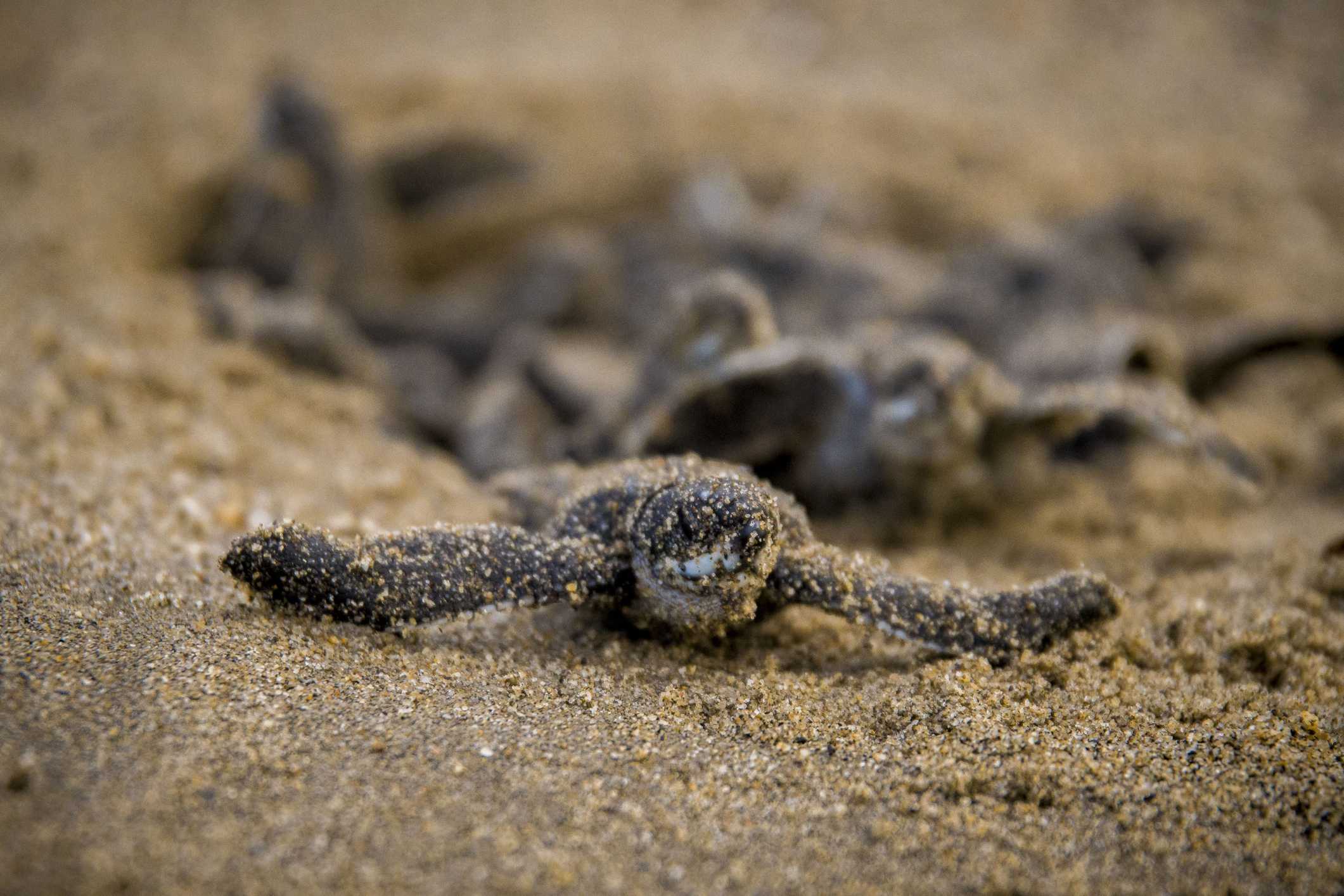
Florida’s turtle season is magic, when the sand suddenly comes alive and tiny hatchlings race toward the sea. From May through October, female sea turtles return to nest, and by mid-summer, the shoreline transforms into a stage for their first daring journey. It’s a short-lived spectacle, but one that captures the wild spirit of our coast.
Witnessing this moment is a reminder of just how extraordinary our Florida beaches are, but it’s also a reminder of how much care is needed to keep our beaches, and the wildlife that call them home, alive. Even the smallest distraction, like artificial light from homes, condominiums, and hotels, can alter the path of these tiny travelers, as they rely on the natural light of the moon and stars reflecting off the water to guide them safely to the water. Instead of heading to the water, hatchlings may crawl toward the artificial lights, leaving them vulnerable to exhaustion, predators, and much more.
Why Artificial Light Threatens Sea Turtle Hatchlings
To protect sea turtle hatchlings during such a defenseless time, the sunshine state has enacted strict sea turtle protection ordinances. The State of Florida implemented Section 161.163, Florida Statutes, which requires the Florida Department of Environmental Protection to designate coastal areas utilized, or likely to be utilized, by sea turtles for nesting, and to establish guidelines for local government regulations that control beachfront lighting to protect hatching sea turtles.
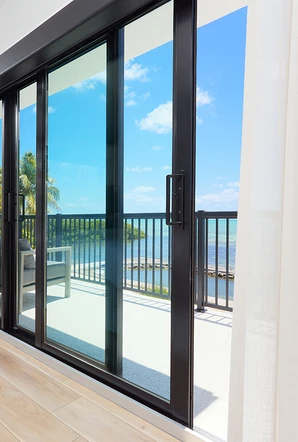
In addition to lighting regulations, there are also regulations when it comes to glass used in commercial buildings and residential homes on the beach. According to the Florida Fish and Wildlife Conservation Commission (FWC), state rules require that tinted glass or film with a visible light transmittance value of 45% or less (inside to outside) must be used on all glass windows, doors and walls within line of sight of the beach, usually the seaward and shore-perpendicular sides of the structure.
Florida's Sea Turtle Glass Requirements: What the Law Actually Says
Lynn Miller, Code Compliance Manager for PGT, has spearheaded many of PGT’s efforts aimed at sea turtle requirements for glass, and was instrumental in forging a relationship with the FWC back in 2021.
“With the turtle ordinance, although they have a statewide guideline, they still create their own independent individual ordinances for each jurisdiction,” said Lynn. “In Fort Myers Beach, they actually had 15% on their ordinance posted on their website. When we saw that, we immediately thought it had to be a typo.”
Lynn and his team contacted the FWC to let them know about the error, ultimately finding out that the FWC was working with some tinting experts, primarily from the automotive industry, that had recommended a 15% tinting.
The Science Behind the Standard: PGT's Role in Updating Turtle Glass Guidelines
What led to the team at PGT collaborating with turtle ordinance officials in 2021 after realizing that the existing 45% glass tint recommendation for protecting hatchlings wasn’t actually based on scientific testing.
Working with the Fenestration and Glazing Industry Alliance (FGIA) and glass suppliers, they received donated samples for a study in 2022 that tested hatchlings’ responses in a Y-maze with different tint levels. The research suggested hatchlings were less drawn to light at around 30% tint rather than 45%, providing the first data-backed standard. While results are still being finalized, many jurisdictions are already leaning toward adopting 30%, and it’s expected that eventually, the Department of Environmental Protection will update statewide ordinances.
For the glazing industry, this shift would mean adapting to new, darker glass requirements supported by science rather than assumption.
“Historically, that 45% has always been the number. We often call that Turtle Glass if you meet that percentage,” said Lynn. “Now that some of this new research has come out, we want people to be aware that this is ongoing, and it may change in their jurisdiction. It’s very important to check with your local municipalities to find out what they're enforcing.”
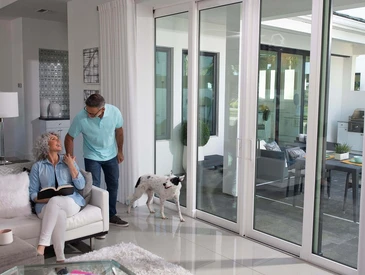
That’s where PGT Windows and Doors comes in. Recognizing the need for products that balance compliance, performance, and design, PGT has an option for Turtle Glass when consumers are purchasing their window products, making it easier for both homeowners and industry professionals to meet lighting regulations with tint, without sacrificing beauty or functionality.
“The model lighting ordinance does mention that you can basically put an aftermarket tint on these products,” said Lynn. “We want to stress to all of our dealers and homeowners that if the product is designed with glass that can accept that, it's not an issue, but you don't know if it is. For our products, tint is not something we add on after. It is something that is inherent in the glass, and it comes from the float glass manufacturers. If a tint is applied to our glass after the fact, it actually voids the warranty. Don't ever void your warranty by adding your own tint.”
What Is PGT Turtle Glass and How Does It Work?
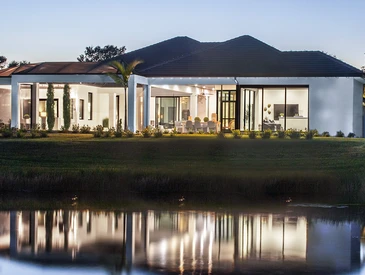
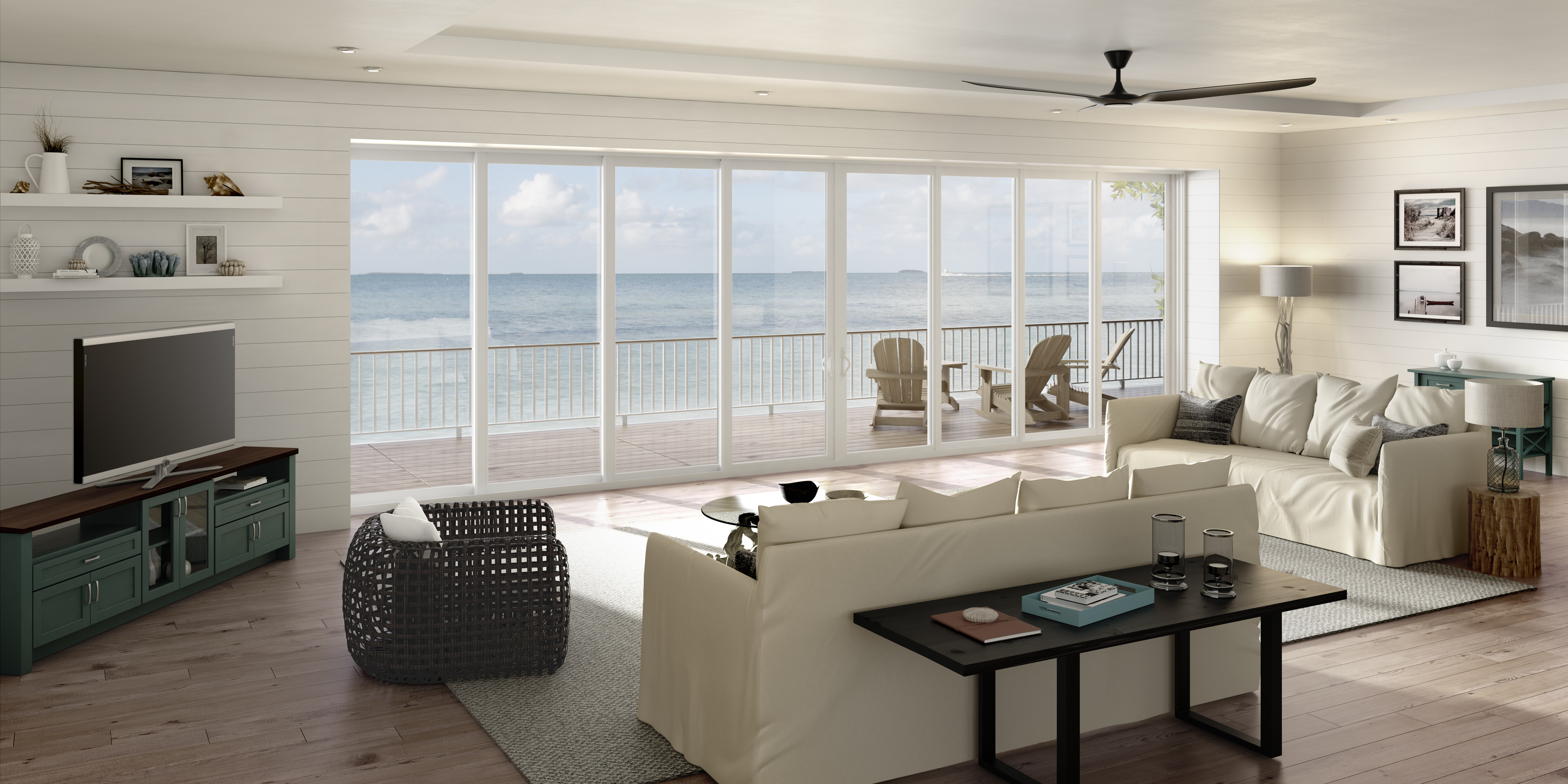
Made in Florida, Turtle Glass is designed to achieve the required light transmittance while also delivering the strength and storm protection essential for living on or near the water.
Mark and Joan Refosco, owners of Marcus Allen Homes, an Independent AR Homes Franchise, are strong advocates of using PGT products like Turtle Glass in their personal homes, as well as homes they have built for clients.
“We’ve been using PGT for more than 20 years,” said Mark. “They do a great job and truly stand behind their product.”
More than three years ago, Mark and Joan built their home in Ponte Vedra Beach. The home, which has since been sold, has Turtle Glass, as well as impact-resistant glass, and offers impeccable views.
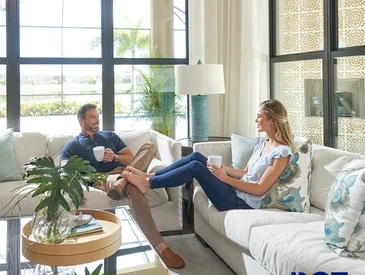
“We really love Turtle glass. Not only does it really help the wildlife, but we really like the tinting it provides in our home,” said Mark. “It’s even better than low-e tint because the low-e gives a greener tint to the inside of the house, whereas the Turtle Glass tint is a nice light gray. It also photographs really well, helps with glare and I would bet it helps with energy consumption. If anything, it accentuates our view of the Atlantic Ocean in the rear of the home and the Guana Preserve in the front. The windows provide a pretty expansive water view on both sides.”
Why Coastal Homeowners Are Choosing PGT Turtle Glass
Mark and Joan’s experience highlights how Turtle Glass offers more than just compliance, it enhances everyday living with views, comfort, and more. And while we’re incredibly fortunate to live in a beautiful state that is surrounded by some of the top beaches in the United States, our beaches aren’t only a place for relaxation and beauty; they’re also a habitat for some of Florida’s most vulnerable wildlife. By choosing PGT Turtle Glass, you can do more than just meet requirements, you can help safeguard a species and allow future generations to witness their journey.
To learn more about PGT’s Turtle Glass, visit PGTWindows.com.