



















Stay Safe
This Season
Image
Image

Assessing Your Hurricane Damage Risk
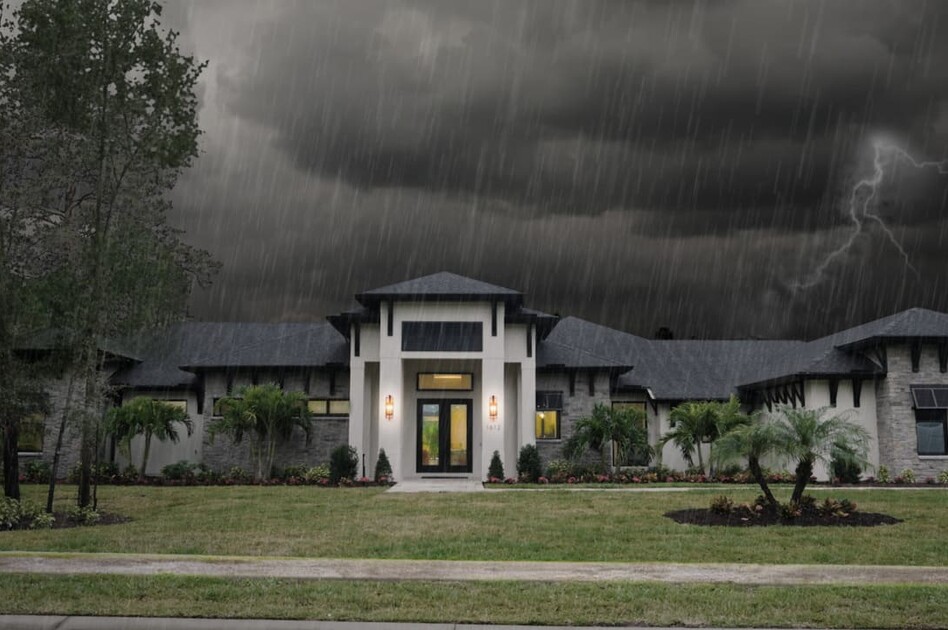
Hurricanes come in different strengths. The highest sustained U.S. wind speed was 190 mph during Hurricane Allen, a Category 5 hurricane that struck in 1980. But damage can occur at even the lowest strength hurricanes. Assessing your risk starts with understanding how hurricane categories are measured and knowing the types of damage that can occur at each level.
Image

Category 1
74 to 95 mph winds
- Damage primarily to unanchored mobile homes, vegetation, and signage
Image

Category 2
96 to 110 mph winds
- Moderate damage to roofing material, mobile homes, and trees
- Some flooding and power loss likely
Image

Category 3
111 to 129 mph winds
- Extensive damage to small residences
- Flooding near the coast
- Structural damage to larger buildings
Image

Category 4
130 to 156 mph winds
- Severe damage to well-built homes
- Extensive flooding
- Infrastructure and wide-ranging power outages
Image

Category 5
157+ mph winds
- Catastrophic damage to homes, businesses, and infrastructure
- Devastating flooding
- Widespread destruction
Did you know?
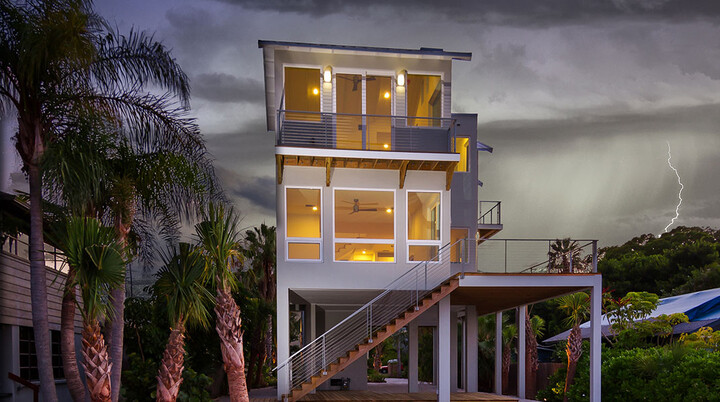
Windows need to be replaced every 15-20 years to maintain performance. If your windows were installed before the year 2000, you should consider replacing them to ensure you’re protected in a natural disaster.
Image
Step 1
Before a Hurricane Strikes
Have an Emergency Evacuation Plan Established
Don’t leave evacuation to chance. Know exactly how and where to get out of harm’s way. In Miami-Dade county, find out if you live in an area that may be at risk for storm surge by using the Storm Surge Planning Zone Finder. When an evacuation order is given, you can find out if you need to evacuate by viewing the Florida Know Your Zone disaster resource.
Perform Routine Maintenance
PGT Windows and Doors are designed to be low maintenance. With just a small amount of care and light cleaning, you can easily maximize the durability and operation of your products. Best practices include washing with light pressure as excessive scrubbing can lead to damage, like scratches. Always clean and rinse each window or door individually to prevent cleaning agents from permeating for long periods of time. Clean aluminum frames very carefully as soon as they are installed to rid them of construction site chemicals that can cause corrosion. When cleaning, remember to avoid leaning on your window or door screens. These products are not designed to protect you from falling.
Download the complete homeowner’s care & maintenance guide here.
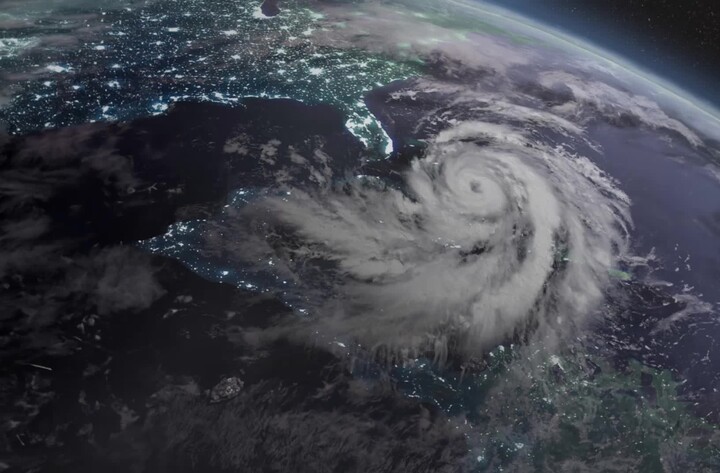
Step 2
During a Hurricane
Keys to safety surviving a natural disaster:
Communication is key. Whether it’s following official instructions, including evacuation orders or staying in touch with family, friends, and neighbors, being equipped to communicate during a hurricane can save lives. Stay informed by keeping a battery-powered radio tuned to a local station for important updates. Never depend on one method of communication. Use a combination of text messages, phone calls, social media, and email to stay in touch with family members and friends. Lastly, designate an out-of-area point of contact who can relay messages between separated family members and provide updates on everyone’s status.
If you are caught inside your home during a hurricane, there are actions you can take to prevent the worst damage as well as keep you safe. If you have impact-resistant windows and doors installed, you do not need to take drastic emergency measures; simply lock your windows and doors. However, without impact-resistant windows and doors, the Federal Emergency Management Agency recommends that homeowners protect openings from wind and windborne debris. Secure roof, wall, and foundation connections by installing hurricane clips at all connection points. During the storm’s peak, stay away from windows and doors to avoid potential debris and shattered wood or glass.
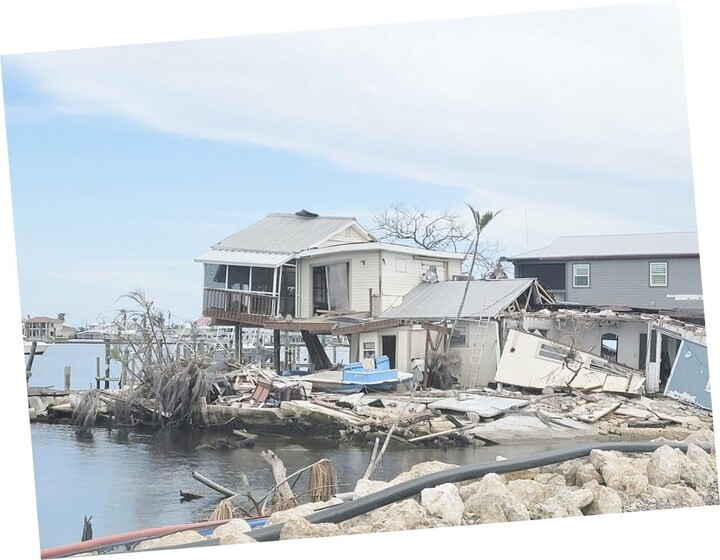
Step 3
After a Hurricane
After a hurricane, remember, if you’ve evacuated, to wait until you are authorized by emergency or government authorities to return to your home. Upon returning to your property, here are the best practices to follow to ensure the safety of you and your family.
A cautious approach to damage assessment is important. As you arrive at your property, watch out for hazards such as downed power lines, flooded areas, and unstable structures. Avoid walking through floodwaters, as they may be contaminated or hiding dangers like submerged debris. Before entering your home, walk around the perimeter and visually inspect the exterior for any signs of structural damage, roof leaks, and broken windows.
Inside, assess the structural integrity of the building. Look for cracks in walls, ceilings, or foundation, as well as signs of sagging or shifting. Avoid touching electrical appliances, outlets, or wires if you suspect water damage or if they are submerged in water. If you need to turn off the electricity to your home, do so at the main breaker panel, but only if it’s safe to do so. If you smell gas or suspect a gas leak, do not enter your home. Leave the area immediately and contact the gas company or emergency services from a safe location. If you notice any significant structural damage, leave the premises immediately and contact authorities.
Image

WinGuard Impact-Resistant Solutions
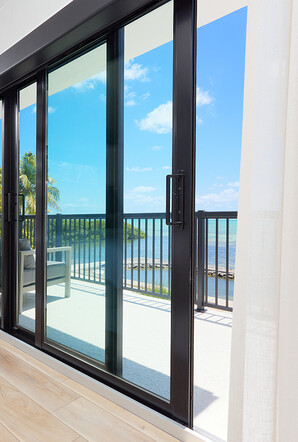
Explore the unmatched protection and enhanced home living offered by WinGuard Impact-Resistant Windows and Doors. Engineered for ultimate defense, WinGuard aluminum and vinyl products shield your family from hurricane force-wind borne debris while amplifying your home’s comfort, security, and aesthetic appeal. With impact glass, you gain additional safeguards against intruders and noise pollution, alongside potential savings over time.
Start by choosing WinGuard in either aluminum or vinyl frames — both come with PGT impact glass. Impact glass utilizes a glass sandwich construction formed with two of monolithic or single pane glass united by a layer of polyvinyl butyral (PVB) or SGP in the middle glazed with a special silicone glazing process that helps keep laminated glass windows from breaking away from the frame. The PVB is key, keeping the glass in place, even when the glass faces impact. The sandwich construction strengthens security against break-ins while adding soundproofing without compromising light, making your home as efficient as it is peaceful.
Delve deeper and discover the sophisticated layers and design that make WinGuard the ideal choice for protecting and enhancing your home.
Image

Why Choose Impact Resistant Products?
PGT has led the impact industry for more than 40 years by improving safety standards, pushing innovation and delivering superior performance.
- Long-Term Savings
- Better Security
- Hurricane Protection
- Noise Reduction
- Energy Efficiency
- UV Protection

Impact Windows vs. Shutters
Installing PGT impact windows and doors protects your home from much more than wind and debris during a storm. Unlike shutters, which are single purpose and need to be engaged before each storm, impact products provide year-round protection with added benefits like noise reduction, UV protection from sun damage, and increased security to guard against intruders. With Florida’s 230-250 sun days a year, energy efficiency is a must. When paired with energy efficient options such as low-E coatings, impact products provide the ultimate climate control for your home and can save you money on your utilities. Plus, impact products offer superior return on investment by increasing property value while protecting your home during a storm.